Types of Natural Stone Used in Stone Masonry Projects
People seeking stone masonry construction often want expert help selecting and working with different types of natural stone, which local contractors can provide for durable, attractive results.
If you’re exploring options for stone masonry projects around your property, understanding the different types of natural stone used in these applications can be a valuable first step. Different stones bring unique textures, colors, and durability qualities, making them suitable for everything from outdoor facades to retaining walls. Property owners in the area often consider these factors to enhance the aesthetic appeal and longevity of their outdoor spaces. This page offers practical insights into the various natural stones available, helping you make informed decisions about your project. Local contractors experienced in stone masonry can provide guidance tailored to your specific needs, ensuring the right material choice for your property.
Choosing the right type of natural stone is essential for achieving the desired look and performance in masonry work. Some stones are known for their strength and weather resistance, while others bring distinctive visual appeal. Whether you’re interested in classic granite, elegant limestone, or rugged fieldstone, understanding the characteristics of each can help you select the best option for your project. As you read on, you’ll find useful information about the most commonly used natural stones and how local service providers can assist with sourcing and installing them. Connecting with experienced contractors ensures your masonry project benefits from expert craftsmanship and the right material selection.
- Retaining walls - when constructing durable and visually appealing barriers, local contractors select appropriate natural stones to ensure stability and aesthetic appeal.
- Fireplaces and hearths - for creating heat-resistant and attractive focal points, service providers choose specific types of natural stone suited for high temperatures.
- Exterior facades - when enhancing building exteriors, local pros recommend natural stones that withstand weathering while adding texture and character.
- Pathways and patios - for designing long-lasting and decorative outdoor surfaces, stone masonry specialists utilize various natural stones tailored to outdoor conditions.
- Sculptural features and decorative elements - when adding artistic touches to landscapes or structures, local contractors select suitable natural stones to achieve desired textures and finishes.
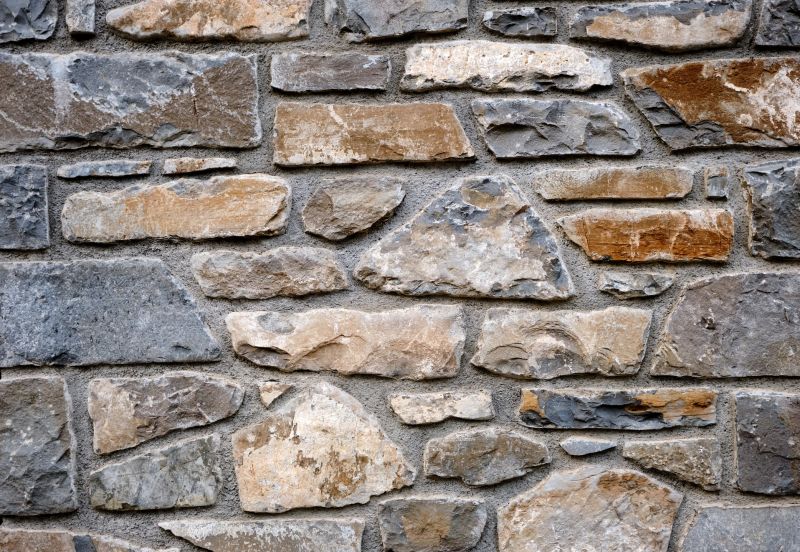
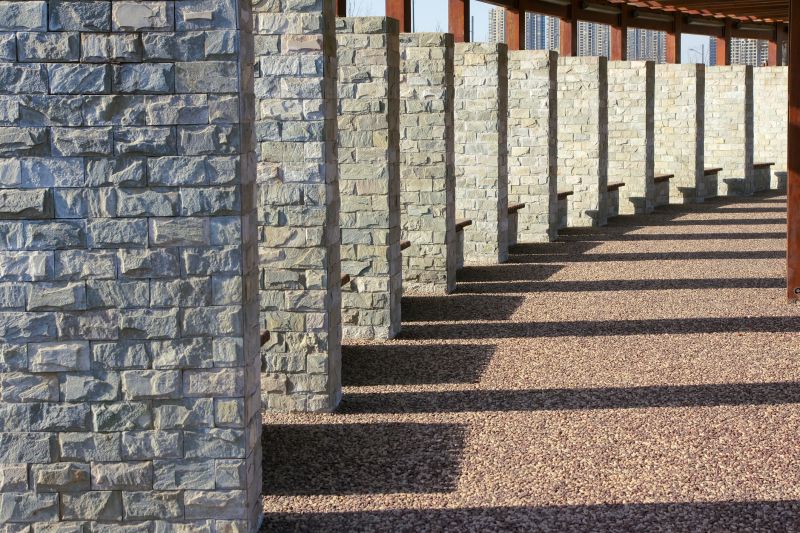
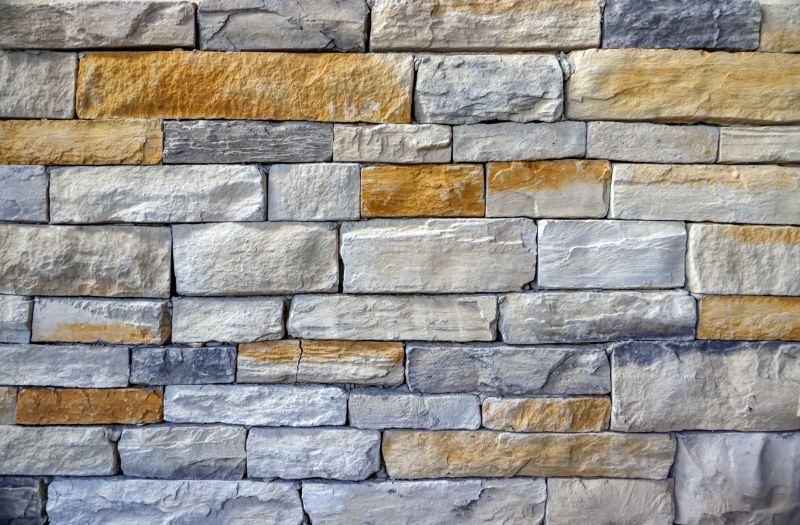
When searching for information about types of natural stone used in stone masonry projects, homeowners often want to understand the different materials available for their construction or renovation plans. This topic typically relates to projects such as building or restoring fireplaces, walls, walkways, patios, or decorative features around the property. People usually seek guidance on which stones are suitable for specific applications, considering factors like durability, appearance, and how well the material withstands local weather conditions. Understanding the various types of natural stone helps homeowners make informed decisions about the best options that will complement their property’s style and meet practical needs.
The choice of natural stone in masonry projects can present several challenges. Homeowners might worry about selecting a material that resists cracking, fading, or erosion over time. They may also need to consider how the stone’s color and texture will blend with existing features or landscaping. Planning a project involves understanding the properties of different stones-such as porosity, hardness, and maintenance requirements-to ensure the finished work holds up well and looks attractive for years. Local stone masonry construction professionals are familiar with these considerations and can help evaluate which types of natural stone are most appropriate for specific projects, based on regional availability and the unique demands of the site.
Common properties of natural stones used in masonry include durability, appearance, and workability. Some stones, like granite and basalt, are known for their strength and resistance to weathering, making them ideal for outdoor applications like retaining walls or paving. Others, such as limestone and sandstone, offer a softer texture and a range of colors, which can add aesthetic appeal to decorative features or interior accents. The porosity of the stone influences how much moisture it absorbs, affecting its longevity in exposed environments. Homeowners often consider these properties to match the stone’s characteristics with the intended use, ensuring that the finished project maintains its integrity and visual appeal over time.
Local service providers specializing in stone masonry construction are well-equipped to assist with selecting the right types of natural stone for each project. They can advise on the best materials based on the specific requirements of the property, climate, and design goals. These professionals understand regional stone availability and can help source high-quality materials that meet the desired properties. Whether the goal is to create a durable outdoor feature or an elegant interior surface, working with experienced masonry contractors ensures that the chosen natural stone will be properly installed and perform well in its intended environment. Connecting with local pros can make the process of choosing and working with natural stone more straightforward and successful.
Stone veneer installation - professionals skilled in working with natural stone types can help enhance facades and interior walls using various stone materials.
Fireplace and hearth construction - local contractors experienced in natural stone can craft durable and visually appealing fireplaces with different stone types.
Patio and walkway paving - experts can select and lay suitable natural stones for outdoor surfaces that require specific planning and tools.
Retaining wall building - specialists familiar with natural stone can design and construct sturdy retaining walls using diverse stone varieties.
Water feature and fountain design - local service providers can incorporate natural stones into custom water features, requiring specialized skills and materials.
Stone cladding and siding projects - professionals can apply natural stone cladding to building exteriors, utilizing knowledge of different stone types and installation techniques.
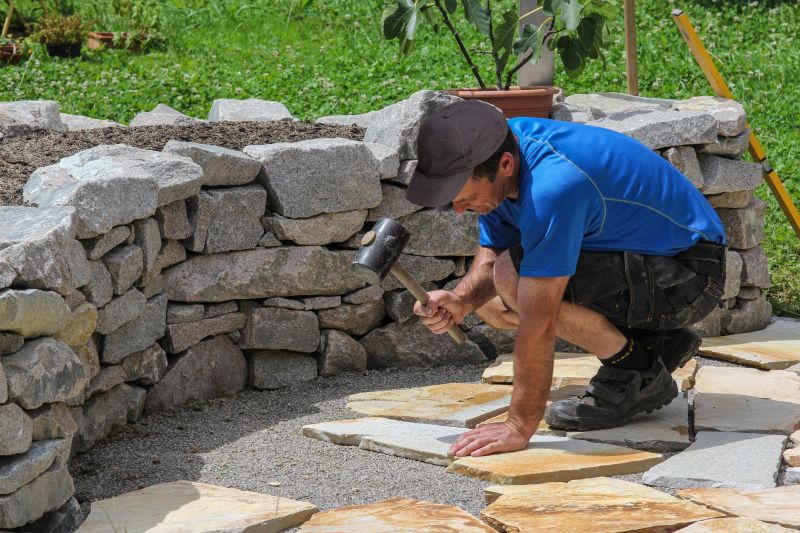
When evaluating local contractors for stone masonry projects involving natural stone, it is important to consider their experience with similar types of projects. Homeowners should inquire about the specific types of natural stone the service providers have worked with, such as granite, limestone, or sandstone, and whether they have completed projects comparable in scope and style. An experienced contractor will have a solid understanding of the unique characteristics and installation techniques required for different stones, which can influence the durability and aesthetic quality of the finished work.
Clear written expectations are essential when comparing service providers. Homeowners should seek detailed descriptions of the scope of work, materials to be used, and the process involved in handling different types of natural stone. This clarity helps ensure that both parties share an understanding of the project’s goals and standards, reducing the risk of misunderstandings or surprises. Reputable contractors often provide comprehensive proposals or written agreements that outline these details, fostering transparency and confidence in the selection process.
Effective communication and reputable references are key indicators of reliable stone masonry service providers. Homeowners should ask for references from previous clients who had similar projects involving natural stone, and if possible, view completed work to assess quality. Good communication throughout the project-from initial consultation to completion-can help address questions or concerns promptly and ensure the work aligns with expectations. By prioritizing these qualities, homeowners can better identify local contractors capable of delivering quality stone masonry work tailored to the specific types of natural stone used in their projects.
Property owners often search for types of natural stone used in stone masonry projects when they are planning practical projects around their homes and businesses. Local pros provide Stone Masonry Construction services for everyday jobs and straightforward project options.
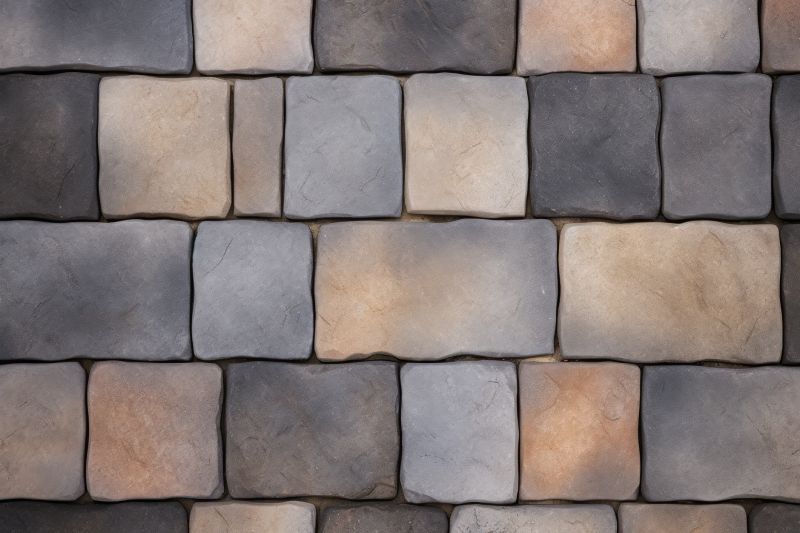
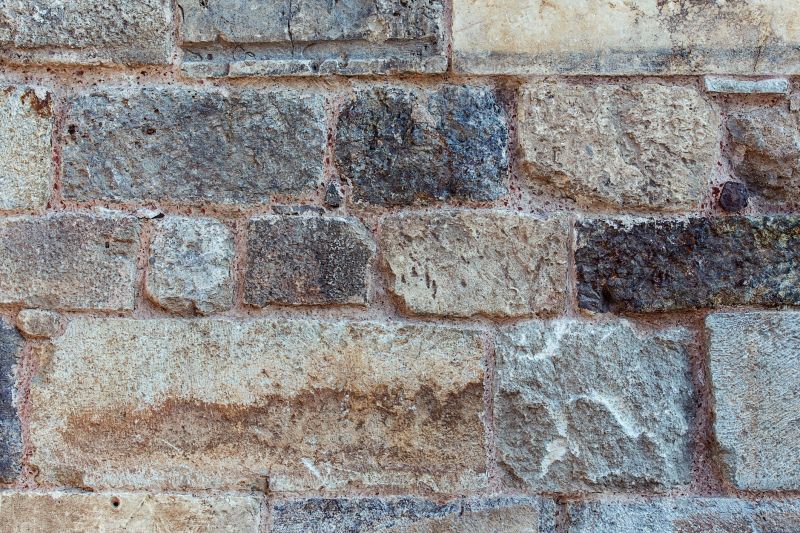
Many property owners in the area look into the types of natural stone used in stone masonry projects to better understand their options for outdoor features like patios, walls, and walkways. Natural stones such as granite, limestone, and sandstone are popular choices because they offer durability and aesthetic appeal, making them suitable for both functional and decorative purposes around the home. When considering these materials, homeowners often seek the expertise of local contractors who can advise on the best type of stone for their specific project, ensuring it withstands weather conditions and complements the property's style.
Understanding the different kinds of natural stone can help property owners make informed decisions about their masonry projects. For example, some stones like basalt or slate are valued for their unique textures and colors, while others like marble or travertine are chosen for their elegance in more refined settings. Local service providers experienced in stone masonry can assist with selecting the right material, sourcing quality stone, and executing the project properly to achieve lasting results. This knowledge ensures that the finished work not only looks great but also maintains its integrity over time.
What are common types of natural stone used in stone masonry projects? Common types include granite, limestone, sandstone, marble, and slate, each offering unique aesthetic and structural qualities that local contractors can incorporate into masonry work.
How does the choice of natural stone affect the durability of masonry structures? The durability depends on the stone's inherent properties; for example, granite and slate are highly durable, making them suitable for long-lasting projects handled by local masonry specialists.
Can local contractors help with selecting the right type of natural stone for my project? Yes, experienced stone masonry service providers can advise on the best natural stone types based on the project's design, location, and functional needs.
Are there differences in appearance among various natural stones used in masonry? Yes, each type of natural stone offers distinct colors, textures, and patterns, allowing local pros to customize the look of a masonry project to match aesthetic preferences.
What factors should be considered when choosing natural stone for stone masonry projects? Factors include the stone's durability, appearance, cost, and suitability for the specific application-all of which local masonry contractors can help evaluate based on project requirements.
Granite applications - Its durability makes granite suitable for exterior walls, walkways, and outdoor kitchen countertops, with local contractors helping to incorporate it into functional, long-lasting designs.
Limestone uses - Limestone's natural appearance can enhance garden walls or interior accents, and local service providers can assist in selecting and shaping it for aesthetic appeal.
Sandstone projects - Its varied colors and textures are ideal for creating decorative facades or paving stones, with local pros guiding on proper installation techniques.
Marble installations - Marble's elegance is perfect for interior features like fireplaces or flooring, and experienced contractors can help ensure a polished, high-quality finish.
If you are thinking about types of natural stone used in stone masonry projects for a property, this guide is meant to help you understand this topic, the typical project types, and how different options might fit your plans.
When you are ready, you can use the quote form on this page to share a few details about your project. From there, local pros can review the basics and follow up with options that match what you have in mind.